









How Much Is My House Worth? Get Your Free Market Valuation Report Today

Discover Your Home's True Market Value in Minutes

Get your instant, comprehensive market valuation report now

Why Knowing Your Home's Value Matters

Understanding your property’s current market value is essential for several important reasons

Financial Planning and Wealth Building

Your home is likely your largest asset. Knowing its current value helps you: – Track your net worth accurately – Make informed decisions about home improvements – Plan for retirement and future financial goals – Understand your borrowing capacity for loans or lines of credit

Real Estate Market Timing

Whether you’re thinking about selling now or in the future: Determine if it’s a good time to sell in your market – Set realistic expectations for listing prices – Understand how your home compares to recent sales – Plan your next move strategically.

Refinancing Opportunities

Current home values affect your refinancing options: – Determine if you have enough equity to refinance – Eliminate private mortgage insurance (PMI) – Access cash through cash-out refinancing – Secure better interest rates with improved loan-to-value ratios

What Determines Your Home's Market Value

Several key factors influence how much your house is worth in today’s market

Location and Neighborhood Factors

Geographic Desirability

School district quality and ratings – Proximity to employment centers – Access to shopping, dining, and entertainment – Transportation and commute convenience – Crime rates and neighborhood safety – Future development plans and zoning changes.

Comparable Sales (Comps)

Recent sales of similar homes in your area – Properties within a quarter mile radius – Sales within the last – months – Homes with similar
square footage, bedrooms, and bathrooms – Properties with comparable lot sizes and
features.

Property-Specific Characteristics

Physical Features

Total square footage and living space – Number of bedrooms and bathrooms – Lot size and outdoor space – Age of the home and architectural style Condition and maintenance level – Recent updates and renovations

Unique Amenities

Swimming pools, decks, and outdoor features – Finished basements or bonus rooms – Garage spaces and storage – Energy-efficient features and smart home technology – Premium finishes and high-end appliances

Current Market Conditions

Supply and Demand

Number of homes for sale in your area – Average days on market for similar properties – Buyer demand and competition levels – Seasonal market trends – Interest rates and financing availability

Economic Factors

Local employment rates and job growth – Population growth and demographic trends – New construction and development activity – Infrastructure improvements and investments

How to Determine Your Home's Worth: Methods and Tools

Professional Appraisals

When You Need an Appraisal

Refinancing your mortgage – Selling your home (buyer’s lender requirement) – Divorce or estate settlements – Tax assessment appeals Insurance claims

What Appraisers Consider

Detailed property inspection – Comparable sales analysis- Market conditions assessment – Property condition and improvements Neighborhood factors and trends.

Cost and Timeline

Typically costs $400+- Takes – weeks to complete – Provides
legally defensible value – Required for most mortgage transactions

Real Estate Agent Market Analysis

Comparative Market Analysis (CMA)

Free service from qualified agents – Analysis of recent comparable sales – Current market conditions assessment – Pricing strategy recommendations – No obligation to list your home

Benefits of Agent Analysis

Local market expertise – Understanding of buyer preferences – Knowledge of upcoming listings – Insight into seasonal trends Professional marketing perspective

Online Valuation Tools

Automated Valuation Models (AVMs)

Instant estimates based on public data Convenient and accessible- Good starting point for research – Free to use and regularly updated

Limitations to Consider

May not account for unique features – Limited by available data – Cannot assess property condition – May not reflect recent market changes

Factors That Can Increase Your Home's Value

High-Impact Home Improvements.

Kitchen Renovations

Updated appliances and fixtures - Modern countertops and cabinetry - Improved lighting and electrical - Open floor plan modifications - Energy efficient features

Bathroom Updates

Modern fixtures and finishes - Improved lighting and ventilation Updated flooring and tile work - Additional storage solutions - Accessibility improvements

Curb Appeal Enhancements

Landscaping and lawn care - Exterior painting and maintenance - Updated front door and entryway - Driveway and walkway improvements - Outdoor lighting and security features

Common Mistakes That Hurt Home Values

Maintenance and Upkeep Issues.

Deferred Maintenance Problems

Roof leaks and exterior damage - Plumbing and electrical issues - HVAC system problems - Foundation and structural concerns - Pest infestations and damage

Cosmetic Neglect

Outdated paint and flooring - Worn fixtures and hardware Cluttered and poorly maintained spaces - Overgrown landscaping - Dirty or damaged exterior surfaces

Over-Improvement for the Neighborhood.

Avoiding Over-Investment

Swimming pools in areas where they're uncommon Luxury finishes in modest neighborhoods - Additions that make homes too large for the area - High-end features that don't match local preferences

Personal Taste vs. Market Appeal

Design Choices That Limit Appeal - Bold or unusual color schemes - Highly personalized decorating - Removing popular features - Unconventional room uses Neglecting buyer preferences

Understanding Market Conditions and Timing

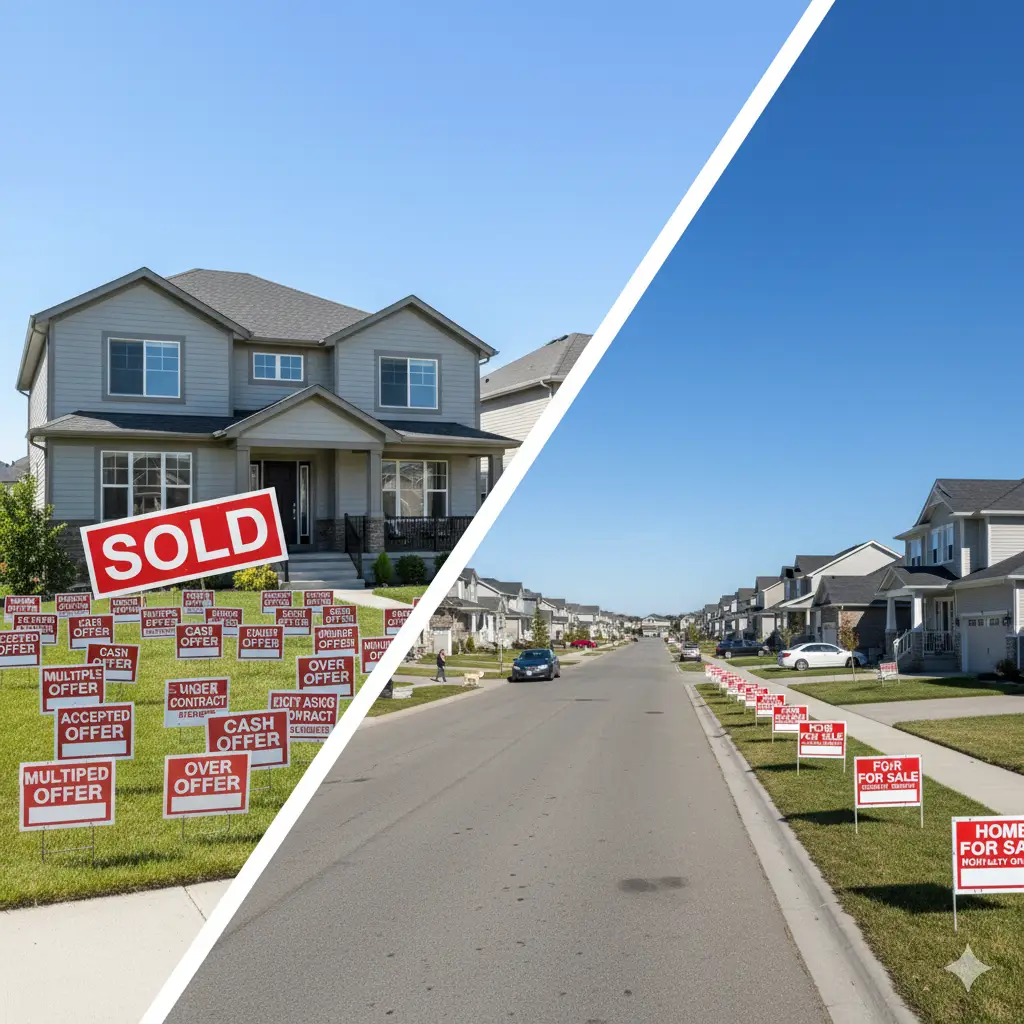
Seller's Market Characteristics

When Home Values Are Rising

Low inventory of homes for sale – Multiple offers on properties – Homes selling quickly – Prices increasing month-over-month – Bidding wars and escalation clauses

Advantages for Homeowners

Higher sale prices possible – Faster sales with less marketing time – More negotiating power with buyers – Ability to sell with fewer concessions – Opportunity to maximize equity

Buyer's Market Conditions

When Values May Be Stable or Declining

High inventory of available homes – Longer days on market – Price reductions and negotiations – Fewer competing buyers – More concessions required from sellers

Impact on Home Values

More conservative pricing strategies – Emphasis on condition and presentation – Importance of competitive pricing – Need for strategic marketing – Focus on unique selling points

Balanced Market Dynamics

Normal Market Conditions

Reasonable inventory levels – Typical days on market ( days) – Balanced negotiation between buyers and sellers – Steady, moderate price appreciation – Predictable seasonal patterns

How to Use Your Home Value Information

If You're Considering Selling

Pricing Strategy Development – Set realistic listing price expectations – Understand your competition – Plan for marketing and showing preparation – Time your listing for optimal market conditions – Prepare for negotiation scenarios
Financial Planning – Calculate potential net proceeds – Plan for moving and transition costs – Consider tax implications of sale – Evaluate upgrade or downsizing options Understand closing costs and fees

If You're Staying Put

Home Improvement Planning – Prioritize improvements with best ROI – Budget for maintenance and updates – Plan long-term improvement timeline – Consider energy efficiency upgrades – Maintain and protect your investment
Financial Opportunities – Explore refinancing options – Consider home equity loans or lines of credit – Evaluate PMI removal possibilities – Plan for future financial needs Build long-term wealth through homeownership

Regional Market Insights and Trends

Local Market Factors

Economic Indicators – Employment rates and job growth – Population growth and demographics – New business development – Infrastructure improvements – School district performance and ratings
Real Estate Market Trends – Average days on market – Price per square foot trends Inventory levels and absorption rates – New construction activity – Seasonal buying and selling patterns

Neighborhood-Specific Considerations

Micro-Market Analysis – Street-by-street value variations – Impact of nearby amenities- School boundary effects on values – Traffic patterns and noise considerations – Future development and zoning plans
Community Features That Add Value – Parks and recreational facilities – Shopping and dining options – Public transportation access – Healthcare facilities – Cultural and entertainment venues

Don’t guess about your home’s value ‒ get the facts with our comprehensive market valuation report. 

What's Included in Your Report

Get Your Free Market Valuation Report Now

Why Our Report Is Different

Frequently Asked Questions About Home Values

Regular Monitoring Recommendations - Check quarterly for general awareness - Monitor monthly if considering selling - Review after major market events - Assess after completing home improvements - Track during refinancing considerations

Market Value - What buyers are willing to pay - Based on current market conditions Reflects recent comparable sales - Changes with market fluctuations - Used for pricing and selling decisions

Assessed Value - Used for property tax calculations - May not reflect current market conditions - Updated periodically by tax assessors - Often lower than market value Based on mass appraisal methods

Accuracy Factors - Quality and recency of data - Uniqueness of property features Local market conditions - Recent sales activity - Property condition considerations

Best Practices - Use multiple sources for comparison - Understand limitations and margins of error - Consider professional analysis for important decisions - Update estimates regularly - Factor in unique property characteristics

Situations Requiring Appraisals - Mortgage refinancing - Home sale transactions Estate planning and settlements - Divorce proceedings - Tax assessment appeals - Insurance claims

Market Impact Factors - Supply and demand balance - Interest rate changes - Economic conditions - Seasonal variations - Local development activity

Planning Your Next Steps

If Your Home Value Exceeds Expectations

Opportunities to Consider

Refinancing to access equity – Planning strategic home improvements – Considering upsizing or relocation – Evaluating investment property options – Building long-term wealth strategies

If Your Home Value Is Lower Than Expected

Strategies for Improvement

Focus on high-impact improvements – Address maintenance and repair issues – Enhance curb appeal and presentation – Consider long-term market trends – Consult with real estate professionals

Making Informed Decisions

Key Considerations

Your long-term housing goals – Current financial situation Market timing and conditions – Family and lifestyle needs – Investment and wealth building objectives

Your Home Is Your Largest Investment

Don’t leave its value to guesswork. Get the facts, understand your options, and make decisions with confidence. Your comprehensive market valuation report is just a click
away.

Why Wait? Get Your Report Now.